


How to Make Herbal Infusions
How to Make Herbal Infusions at Home
Nearly everything we make starts with an infusion. Infusing dried herbs into oil is one of the oldest ways to work with herbs, and you can do it in your own kitchen with a few jars and some patience.
“Infusion” means steeping herbs in a liquid so the liquid takes on their properties. The liquid you choose changes what you get. Here’s how to make both of the main types.
This Blog does contain affiliate links. I do receive a small commission for purchases through this link.
Choosing Your Carrier Oil
The oil you infuse into matters as much as the herbs. Each oil has its own texture, feel on the skin, and shelf life. Here are some of the best options for infusing.
Olive Oil
Our go-to. It’s affordable, easy to find, and gentle, and it holds up well over a long infusion. It has a rich, slightly heavy feel, which makes it great for salves, balms, and healing oils. Choose a good-quality extra virgin or pure olive oil. Shelf life is roughly 1 to 2 years.
Sweet Almond Oil
Lighter and silkier than olive oil, with a smooth glide that absorbs well. It’s a favorite for massage oils, body oils, and roll-ons. Shelf life is about 1 year. Skip it if you’re making products for anyone with a nut allergy. This is the Sweet Almond Oil I love to use.
Sunflower Oil
A budget-friendly, neutral option that’s light on the skin and nut-free. It works well for everyday body oils and salves. Choose high oleic sunflower oil if you can find it, since it lasts longer than regular. Shelf life is about 6 to 12 months.
Coconut Oil
Solid at cooler temperatures and liquid when warm, with a firm, creamy texture. It’s wonderful in lip balms, scrubs, and whipped products, and it can be infused too. It’s a bit heavier and can feel greasy on some skin types. Shelf life is around 2 years.
Fractionated Coconut Oil
This is coconut oil with the long-chain fatty acids removed, so it stays liquid, feels very light, and has almost no scent. It’s ideal for roll-ons, diffuser blends, and anything you want to feel silky. Shelf life is long, often 2 years or more. This is the Fractionated Coconut Oil I love to use.
Jojoba Oil
Technically a liquid wax rather than an oil, and its structure is quite close to the natural oils our skin makes. It’s light, absorbs well, and is very shelf-stable. It can be pricey for large infusions, so many people use it as a smaller part of a blend. It’s great for facial oils and beard oils. This is the Jojoba Oil I love to use.
Argan Oil
A luxurious, lightweight oil that absorbs quickly and leaves skin and hair soft. It’s often used in beard oils and hair care. Because of the cost, it’s usually saved for finished blends rather than big infusions. This is the Argan Oil I love to use.
Castor Oil
Very thick and sticky, so it’s rarely infused on its own. Blended in small amounts with a lighter oil, it adds richness and a protective feel to hair oils, cuticle oils, and balms. This is the Castor Oil I love to use.
Tips for Picking Your Oil
- Think about the finished product. A salve wants a stable, sturdy oil like olive. A roll-on wants something light that flows easily.
- Freshness matters. Oils go rancid over time. If an oil smells sharp, stale, or like old crayons, don’t use it.
- Buy quality. Look for cold-pressed or unrefined oils when you can, and store them away from heat and sunlight.
- Mind allergies. Almond, argan, and apricot kernel oils come from nuts or kernels, so they may not suit everyone, especially if you plan to share or sell what you make.
- Blend if you like. Many of our favorite products combine oils, like a light oil for glide and a richer one for staying power.
Oil Infusions
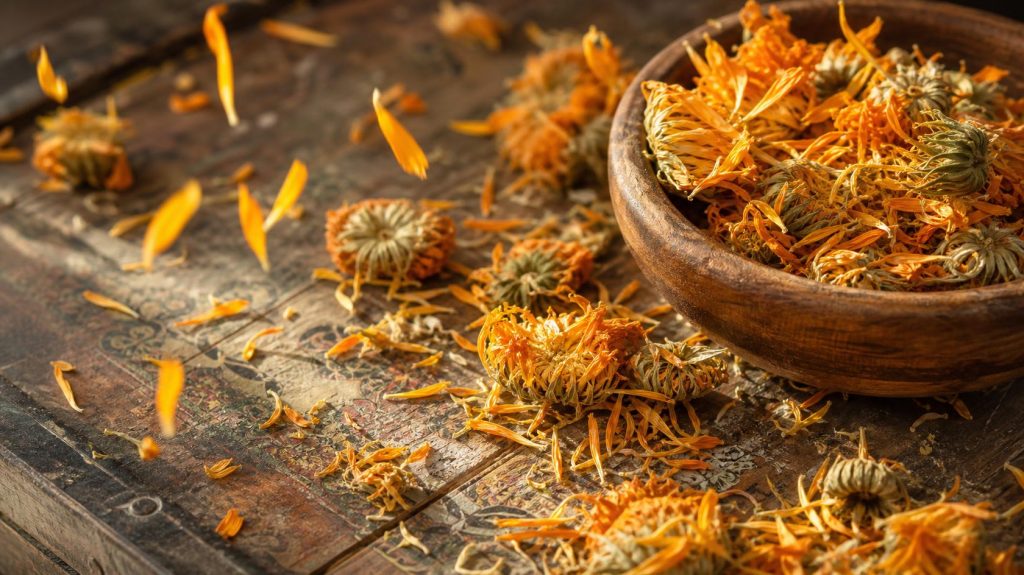
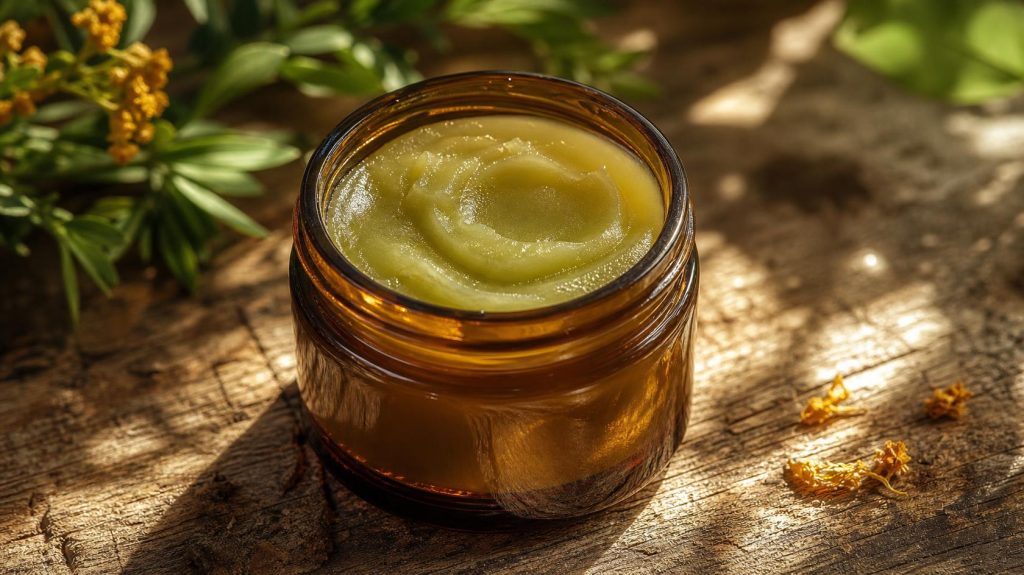
Oil infusions are the foundation of salves, balms, roll-ons, and body oils. Oil pulls out the skin-loving, oil-soluble parts of plants like calendula, arnica, and plantain. This is the method we use for our salves.
You’ll need:
- Dried herbs (see the safety note below)
- A carrier oil. Olive oil is our go-to. Sweet almond and sunflower also work well.
- A clean, completely dry glass jar with a lid
- Cheesecloth or a fine strainer
Steps:
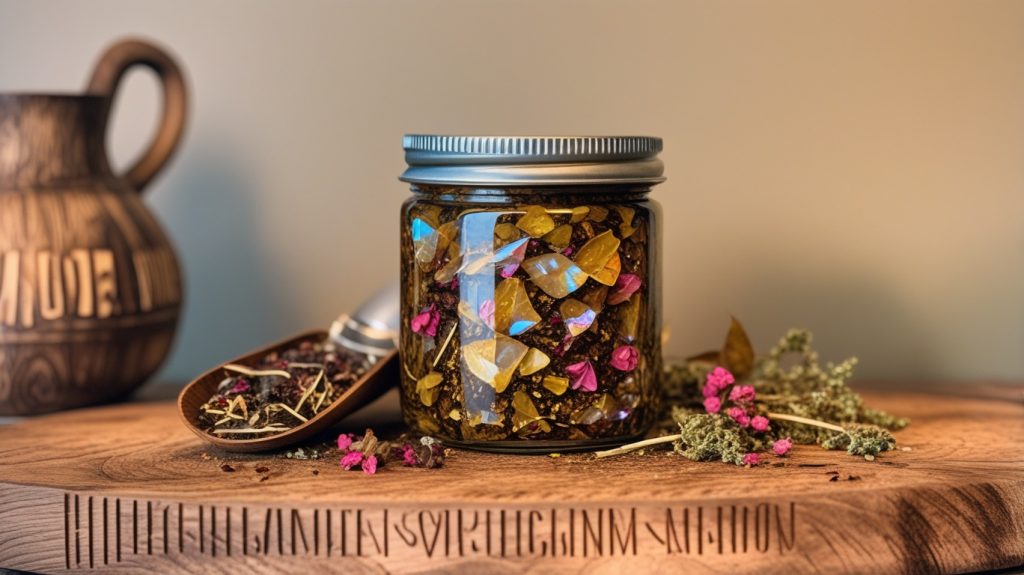
- Fill the jar about halfway with dried herbs. Roughly crushed herbs work best, since more surface area means better extraction. Don’t pack them tightly.
- Cover with oil. Pour oil over the herbs until they’re fully submerged, with about an inch of oil above them. Herbs expand as they soak, so check back after an hour and top off if needed.
- Stir and seal. Poke out any air bubbles with a clean chopstick, then cap the jar.
- Choose your method:
- Slow (solar or shelf) infusion: Set the jar in a warm, sunny spot for 4 to 6 weeks, shaking it gently every day or two. This is the gentlest way, and it’s how a lot of herbalists prefer to do it.
- Quick (heat) infusion: Set the jar in a warm water bath over very low heat for 4 to 8 hours. Keep the oil warm, not hot or simmering, because high heat degrades both the oil and the herbs.
- Strain. Pour the oil through cheesecloth into a clean jar and squeeze out the remaining oil.
- Let it settle. Leave the strained oil for a day, then pour off the clear oil and leave any sediment behind. Settling keeps the finished oil clear and helps it last.
- Label and store. Write the herb, the oil, and the date on the jar. Keep it in a cool, dark place. Properly made infused oils generally keep for about a year.